





Earth bermed buildings
Earth bermed buildings, often called earth shelters or earth sheltered buildings are a design approach that connects a building more significantly to the ground and landscape around it than simply sitting upon it. This typology is normally built slightly below ground or at ground level with an earth burm around that covers most of the external walls and potentially also the roof, creating a sunken or earth sheltered appearance.
Depending on the detail design approach, the building will, to differing degrees benefit from an earth coupling effect, where by the thermal mass, insulative and protective qualities of the surrounding earth benefit the thermal performance of the building. Below around three metres earth tends to have a relatively constant ground temperature, which means in the summer it is cooler than the outside temperature and in winter it is warmer than the outside temperature, this effect lessens gradually as the depth decreases. An earth coupled building does not insulate between the internal space and the earth and as such benefits from the decreased fluctuation of the earths temperature, it will however have insulation and normally high internal mass or glazing on any walls exposed externally.

One well known example of an earth bermed housing scheme is the Hockerton Housing Project, which is a linear cluster of five self-sufficient houses built in Nottinghamshire in 1997 by Brenda Vale. Theses houses are earth coupled and as such require zero to minimal heating and have lower-than-normal energy consumption, which is supplied by onsite renewable energy generation from two 6 kW turbines and 7.6 kW solar panels.

[edit] Related articles on Designing Buildings
- Angstloch.
- Basement v cellar.
- Basement waterproofing.
- Bund.
- CarTube.
- Catacomb.
- Excavation.
- Earth to air heat exchangers.
- Geothermal energy.
- Geothermal pile foundations.
- Ground energy options
- Ground preconditioning of supply air.
- Ground source heat pumps.
- Gabion.
- Global undergrounds - exploring cities within.
- Oubliette.
- Planning (Subterranean Development) Bill.
- Substructure.
- Stad Ship Tunnel.
- The Lowline.
- Thermal labyrinths.
- Tunnels.
- Underground.
Featured articles
Check out some of the best features and news from Designing Buildings as well as key stories from around the web.

Why construction can't afford to ignore the skills gap.
Building Safety Regulator, 19 August

Gill Kernick appointed Independent Chair of Residents’ Panel.
Connecting knowledge, technology and conservation
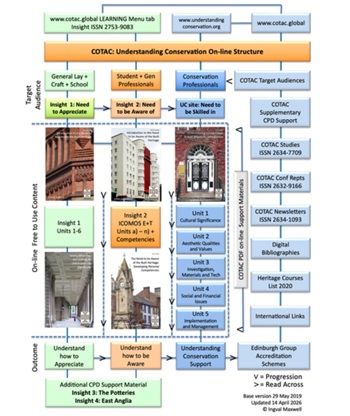
Building competence for the future of built heritage.
Building Regulations and Building Safety Act
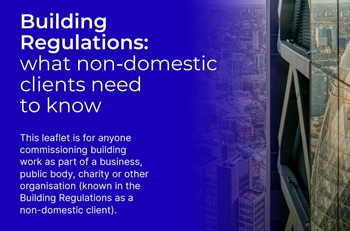
CIOB publishes free advice for non-domestic clients.

Building Safety Newsletter from MHCLG.
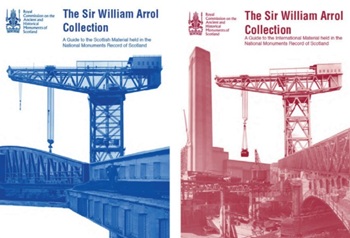
An extraordinary record of steel engineering worldwide.
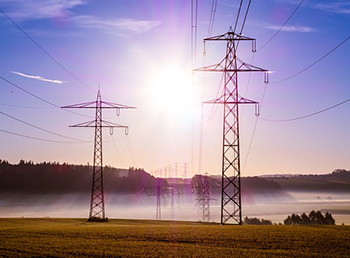
Households living near new pylons to save on bills.

ECA warns growth must not outpace grid capacity or skills.
The role of the client and decision making

CIOB response to built environment professions call for evidence.
Construction's sustainability reporting revolution
Tracking upfront embodied carbon with digital tools.
ECA welcomes procurement reforms

Public spending must back British jobs and skills.
Campaigning for Edinburgh: the Cockburn Association 1875-2049

The role of the civic voice in protecting character. Book review.